
After a hijacking, robbery or attack, you don’t have to just carry on.
Counselling for the shock, fear and anger that can follow violent crime — for you, and for the family members who were there or who were affected.
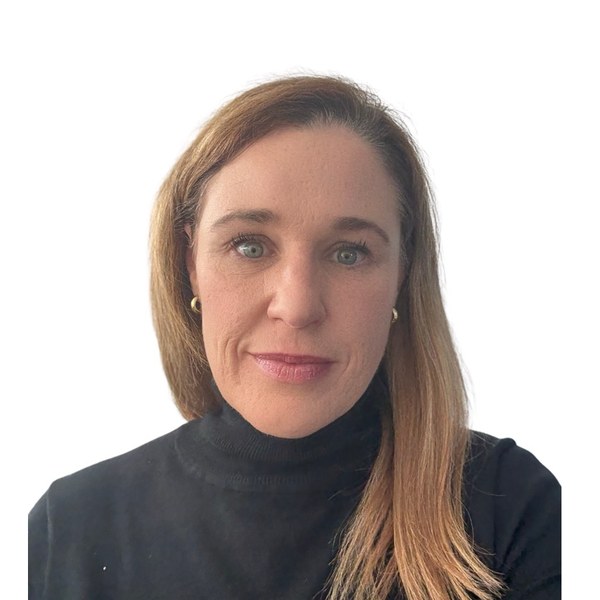
Written by Elza Berk, Founder & registered counsellor · ASCHP WCW/271 · 20+ years’ clinical experience · Updated 28 September 2026
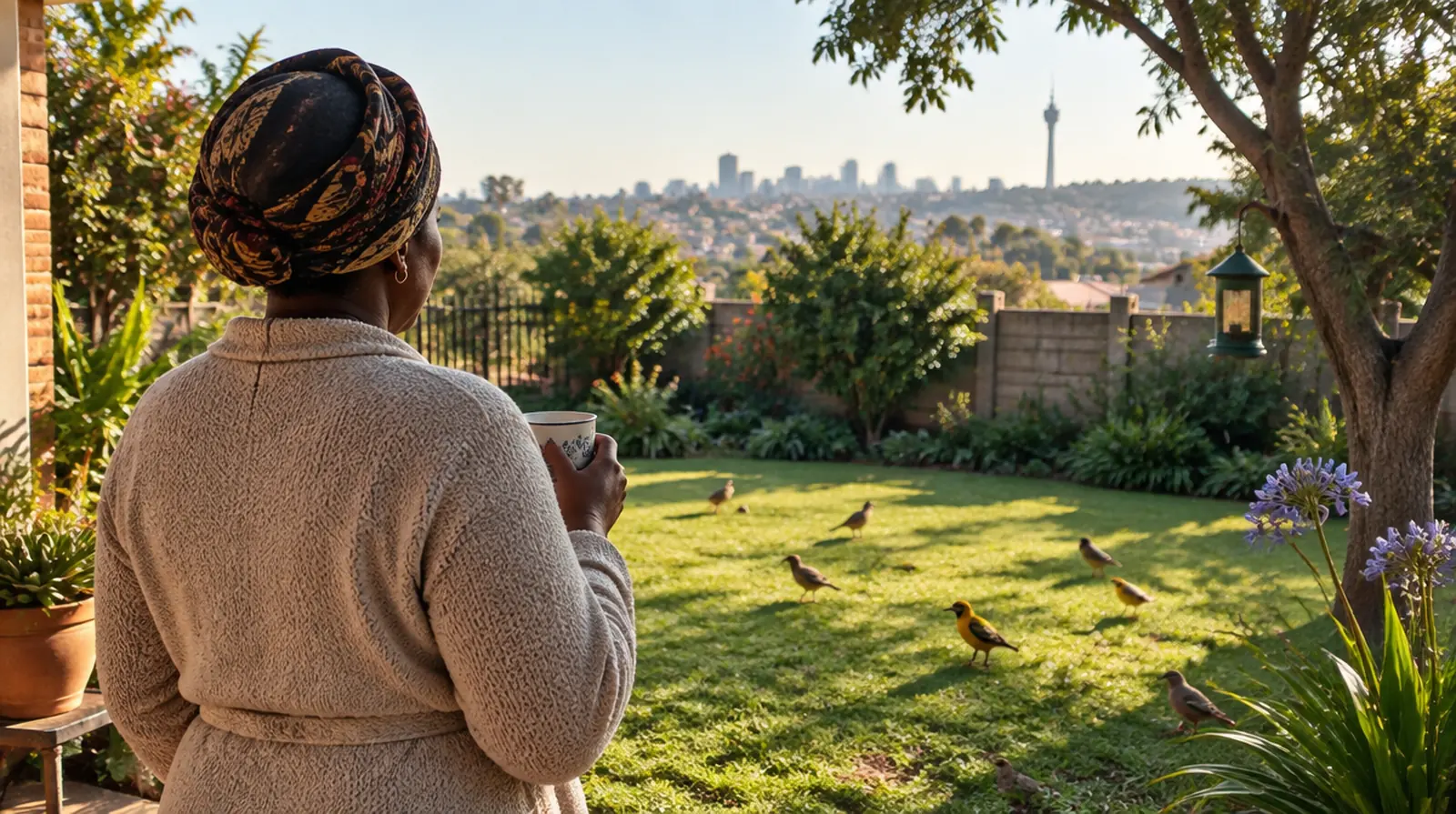
In South Africa, many people are expected to “be grateful you’re alive” and get back to work the next day. But a hijacking, house robbery, armed robbery or assault can leave the nervous system on high alert for months: trouble sleeping, checking locks again and again, panic at a gate or a traffic light, or anger that doesn’t switch off.
Children, partners and witnesses are often affected too — sometimes more than they show.
Our team includes counsellors with SAPS victim support and trauma debriefing experience. Early support can help the body settle, and it is never too late to get it.
After violent crime, people often notice
- Replaying the event, or nightmares
- Fear driving, arriving home or being alone
- Irritability, anger or tearfulness
- Feeling guilty for how you reacted
- Trouble sleeping or concentrating at work
- Children becoming clingy, anxious or withdrawn
You don’t need a diagnosis to reach out.
Safety first. Your pace, always.
Early debriefing
Making sense of what happened and why your body is reacting the way it is.
Settling the alarm
Practical tools to sleep, drive and move through daily life with less fear.
Family support
Helping partners and children process it too, together or separately.
Choose who feels right.

Janika Cumpsty
Head of Supervision
“You don’t have to do your inner work alone. I help clients identify their inherent strength and take action toward the change they truly want to see.”
- Childhood trauma
- PTSD / CPTSD
- Sexual trauma
English · Afrikaans · Dutch (reading)

Omashree Balie
Specialist Wellness Counsellor
“Seeking counselling is personal, difficult, and sometimes lonely — but the results are life-changing. I aim to make that journey as comfortable as possible.”
- Couples & marriage
- Divorce
- LGBTQIA+ affirming
English · Afrikaans

Mimi Shirindza
Registered Counsellor
“Every person carries the capacity for growth and renewal. My role is to walk alongside you as you rediscover and strengthen those inherent gifts.”
- Trauma
- Grief & loss
- Couples
English · Xitsonga · isiZulu

Hèlet Boustred
Registered Psychological Counsellor
“I have a strong passion for trauma work using Somatic Experiencing — a gentle, body-oriented approach that helps release stress and restore balance from within.”
- Trauma (Somatic Experiencing)
- Anxiety & depression
- Grief & loss
Afrikaans · English

Megan Andrew
Registered Counsellor
“I offer a safe space where clients feel heard and supported to better understand themselves, navigate life’s challenges, and move towards meaningful change.”
- ADHD & autism
- Perinatal support
- Trauma
English

Chris Theron
Registered Counsellor
“Life teaches us to keep it together even when we’re falling apart. I believe healing starts when someone walks beside you — not ahead of you.”
- Trauma
- Anxiety & stress
- Life transitions
English · Afrikaans

Risimati Chauke
Social Worker
“I create a safe, non-judgemental space where clients can process their experiences and find practical pathways toward healing and resilience.”
- Addiction (harm reduction)
- Trauma
- Crisis intervention
English · Xitsonga · Tshivenda · isiZulu · Sepedi
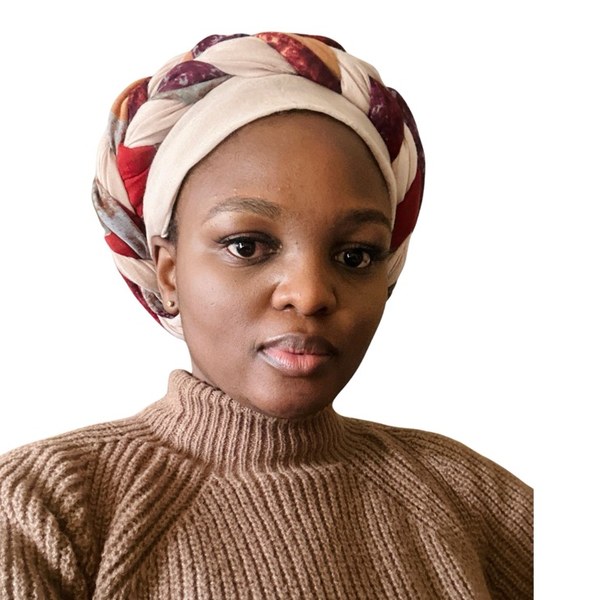
Talita Kondlo
Registered Wellness Counsellor
“I take a compassionate, client-centred approach — creating a safe space to explore emotions, heal from the past, and build healthier ways of coping going forward.”
- Trauma
- Couples
- Anger management
English · isiXhosa · isiZulu
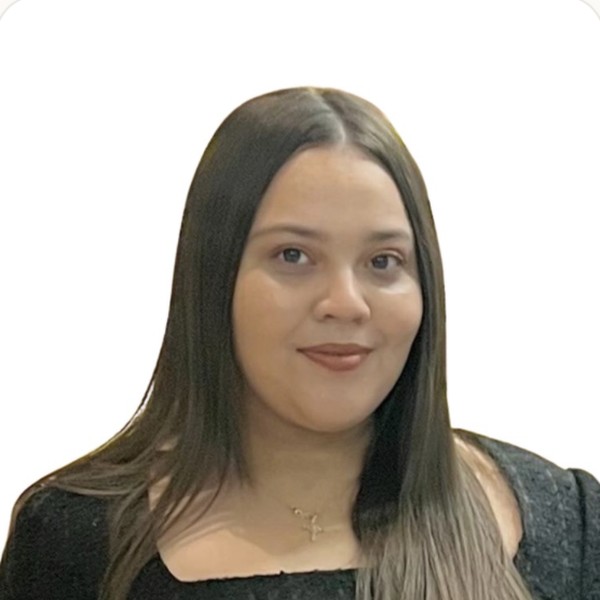
Jamie-Leigh Brickles
Registered Specialist Wellness Counsellor
“Counselling is collaborative, and at its core it’s about your heart. I believe we all have the answers deeply rooted within us; sometimes we just need the courage to reach for them.”
- Anxiety
- Grief & loss
- Trauma
English
Elza Berk
Founder & CEO · Registered Counsellor
“I built MyTruth because I needed it then and it didn’t exist. Every counsellor here has been chosen for their capacity to sit with what is real.”
- Addiction (harm reduction)
- Trauma
- Eating disorders
English · Afrikaans
Common questions
How soon after the incident should I get counselling?
Whenever you feel ready. Some people benefit from talking within days; others reach out months later when symptoms don’t fade. Both are fine.
Can my children have counselling too?
Yes. Several of our counsellors work with teenagers (with guardian consent), and family sessions can include everyone affected.
Can my company arrange this for staff?
Yes — through our corporate and EAP programmes, employees can access confidential trauma counselling after incidents.
Your truth deserves to be heard.
Choose a counsellor who speaks your language and understands your world. Sessions are online, private and booked in minutes.