
When your body still thinks the danger is happening.
Trauma-informed counselling support for the long shadow of frightening or overwhelming experiences — one event, or many over years.
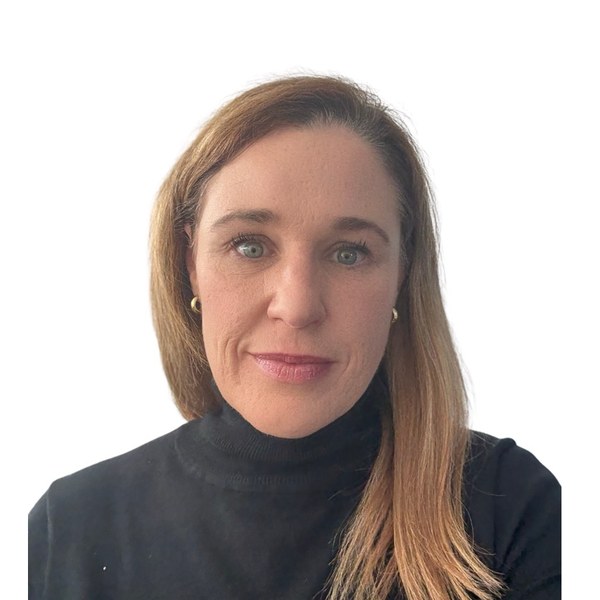
Written by Elza Berk, Founder & registered counsellor · ASCHP WCW/271 · 20+ years’ clinical experience · Updated 28 September 2026

After something overwhelming, the mind and body can stay on high alert long after the danger has passed. Flashbacks, nightmares, jumpiness, avoiding reminders, or feeling detached from yourself are the nervous system trying to protect you.
Complex trauma — often called CPTSD — tends to grow from repeated or long-lasting harm, especially where escape wasn’t possible: an abusive relationship, a violent home, ongoing bullying or community violence. Alongside the fear, it often brings deep shame, difficulty trusting, and a harsh inner critic.
Our counsellors are trauma-informed. That means we move at your pace, we prioritise feeling safe in the room, and we never push you to relive what happened before you are ready.
Common experiences
- Flashbacks, intrusive memories or nightmares
- Always being on guard, easily startled
- Avoiding people, places or conversations
- Feeling numb, detached or “not really here”
- Sudden waves of anger, shame or panic
- Difficulty sleeping or concentrating
You don’t need a diagnosis to reach out.
Safety first. Your pace, always.
Stabilise
Grounding and regulation skills so the alarm system can begin to settle.
Process
When you are ready, making sense of what happened in a way that feels bearable.
Reconnect
Rebuilding trust in yourself, your body and the people around you.
Choose who feels right.
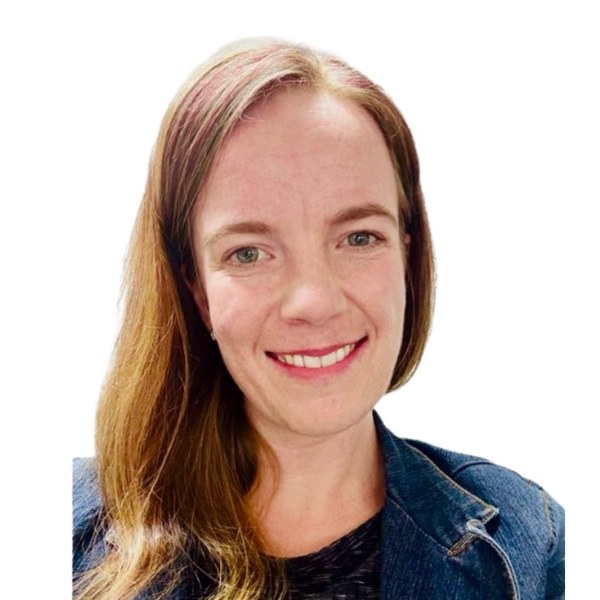
Janika Cumpsty
Head of Supervision
“You don’t have to do your inner work alone. I help clients identify their inherent strength and take action toward the change they truly want to see.”
- Childhood trauma
- PTSD / CPTSD
- Sexual trauma
English · Afrikaans · Dutch (reading)
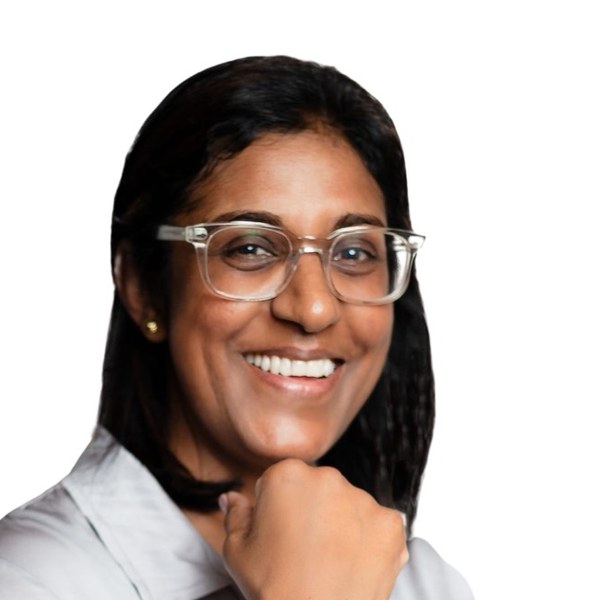
Omashree Balie
Specialist Wellness Counsellor
“Seeking counselling is personal, difficult, and sometimes lonely — but the results are life-changing. I aim to make that journey as comfortable as possible.”
- Couples & marriage
- Divorce
- LGBTQIA+ affirming
English · Afrikaans
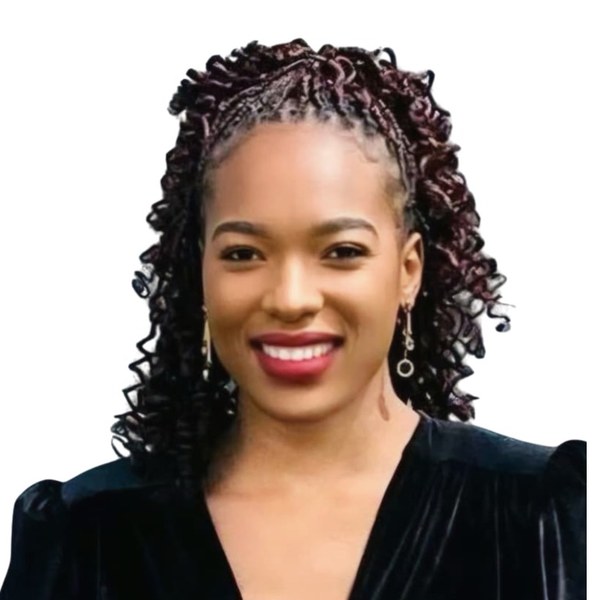
Mimi Shirindza
Registered Counsellor
“Every person carries the capacity for growth and renewal. My role is to walk alongside you as you rediscover and strengthen those inherent gifts.”
- Trauma
- Grief & loss
- Couples
English · Xitsonga · isiZulu
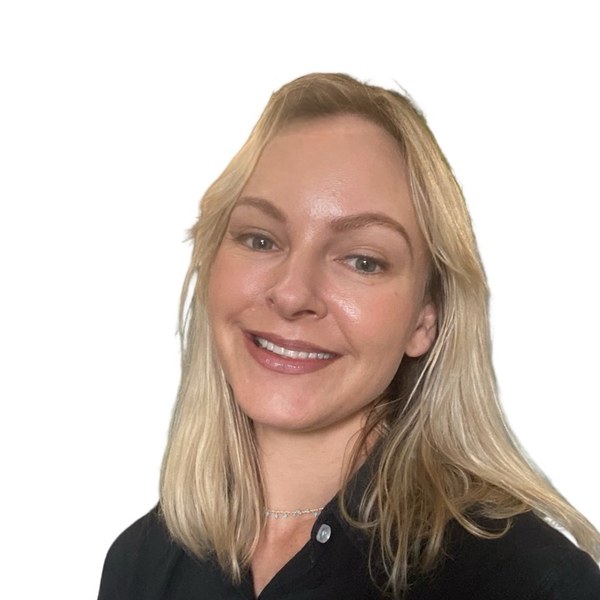
Hèlet Boustred
Registered Psychological Counsellor
“I have a strong passion for trauma work using Somatic Experiencing — a gentle, body-oriented approach that helps release stress and restore balance from within.”
- Trauma (Somatic Experiencing)
- Anxiety & depression
- Grief & loss
Afrikaans · English
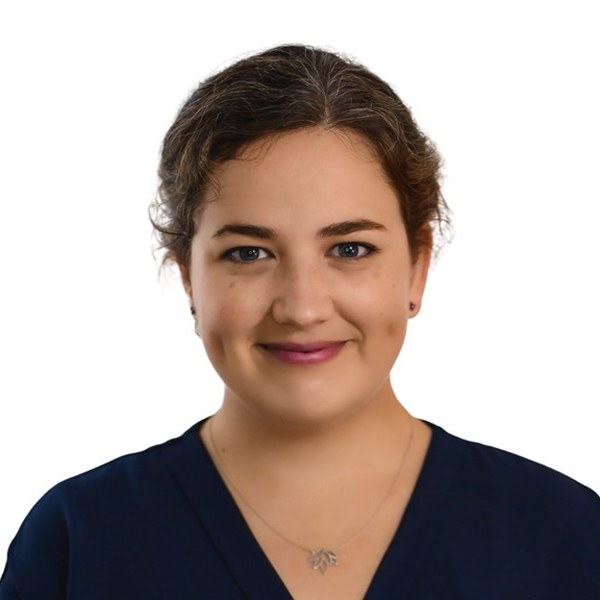
Megan Andrew
Registered Counsellor
“I offer a safe space where clients feel heard and supported to better understand themselves, navigate life’s challenges, and move towards meaningful change.”
- ADHD & autism
- Perinatal support
- Trauma
English
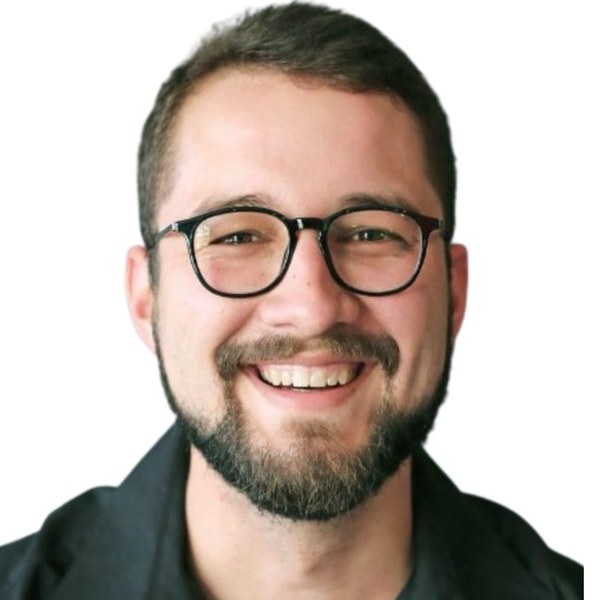
Chris Theron
Registered Counsellor
“Life teaches us to keep it together even when we’re falling apart. I believe healing starts when someone walks beside you — not ahead of you.”
- Trauma
- Anxiety & stress
- Life transitions
English · Afrikaans
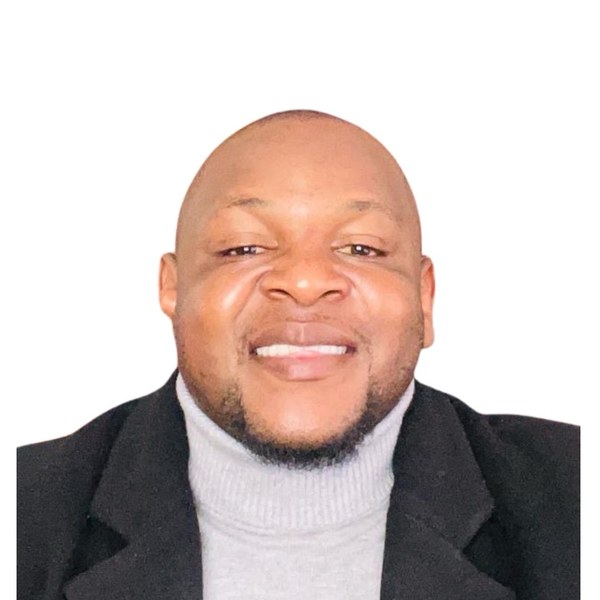
Risimati Chauke
Social Worker
“I create a safe, non-judgemental space where clients can process their experiences and find practical pathways toward healing and resilience.”
- Addiction (harm reduction)
- Trauma
- Crisis intervention
English · Xitsonga · Tshivenda · isiZulu · Sepedi
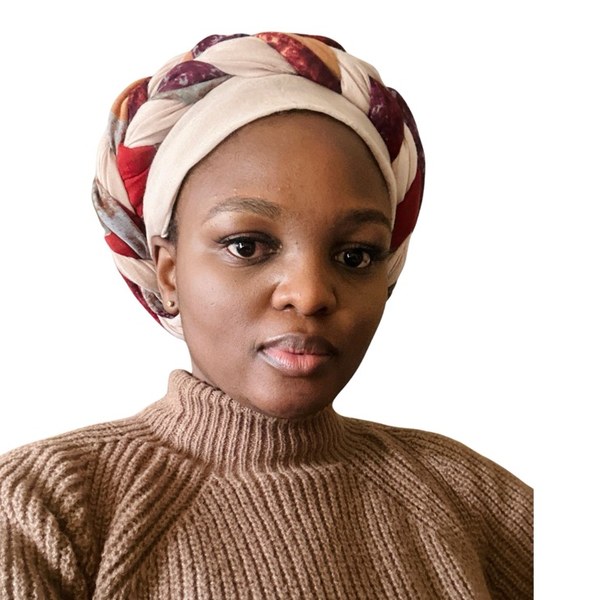
Talita Kondlo
Registered Wellness Counsellor
“I take a compassionate, client-centred approach — creating a safe space to explore emotions, heal from the past, and build healthier ways of coping going forward.”
- Trauma
- Couples
- Anger management
English · isiXhosa · isiZulu
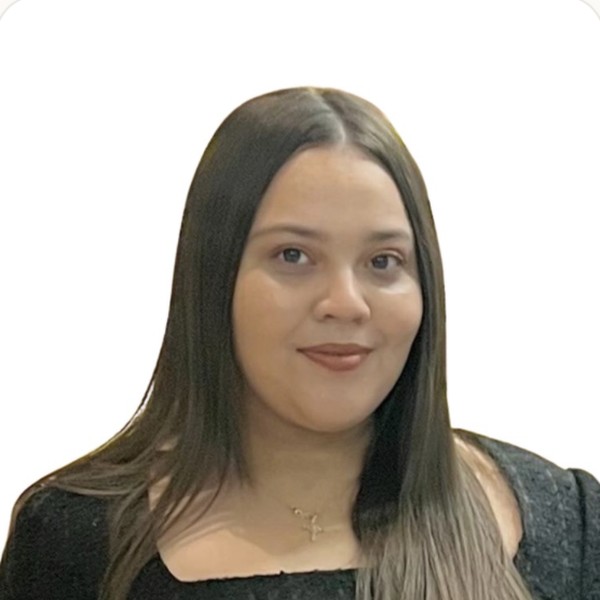
Jamie-Leigh Brickles
Registered Specialist Wellness Counsellor
“Counselling is collaborative, and at its core it’s about your heart. I believe we all have the answers deeply rooted within us; sometimes we just need the courage to reach for them.”
- Anxiety
- Grief & loss
- Trauma
English
Elza Berk
Founder & CEO · Registered Counsellor
“I built MyTruth because I needed it then and it didn’t exist. Every counsellor here has been chosen for their capacity to sit with what is real.”
- Addiction (harm reduction)
- Trauma
- Eating disorders
English · Afrikaans
Common questions
Can a counsellor diagnose PTSD?
Registered counsellors don’t diagnose. We provide counselling support for trauma symptoms and, where helpful, refer you to a psychiatrist or clinical psychologist for assessment — and can work alongside them.
What is the difference between PTSD and CPTSD?
PTSD often follows a single or time-limited event. Complex trauma usually develops from repeated or prolonged harm, and tends to affect self-worth, relationships and emotional regulation more broadly.
Will I have to talk about the trauma in detail?
Not unless and until you choose to. A lot of healing happens through building safety and understanding the effects, without retelling the story.
Your truth deserves to be heard.
Choose a counsellor who speaks your language and understands your world. Sessions are online, private and booked in minutes.